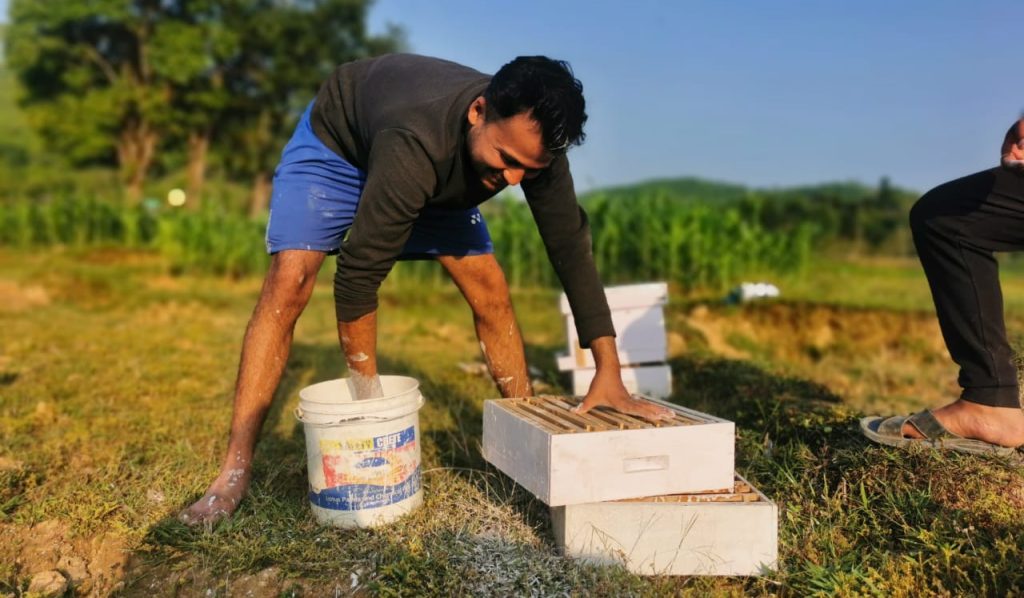
Honey harvesting is an ancient practice that has been carried out for thousands of years. It involves the collection of honey from beehives, which is not only a delicious natural sweetener but also packed with numerous health benefits. Whether you are a professional beekeeper or a hobbyist, understanding the right methods of honey harvesting is crucial to ensuring the well-being of the bees and obtaining high-quality honey.
The Best Time for Honey Harvesting
Timing is crucial when it comes to honey harvesting. Harvesting too early or too late can impact the quality and quantity of honey. The best time to harvest honey depends on the following factors:
- Season: Late summer or early fall is typically the best time to harvest honey when the honeycombs are full, and nectar flow has slowed down.
- Bee Activity: Monitor the hive activity; when bees have capped most of the honeycomb cells, it indicates that the honey is fully ripened.
- Weather Conditions: Harvesting honey on a warm, dry day helps in easier extraction and prevents moisture buildup in the honey.
Essential Tools for Honey Harvesting
To harvest honey efficiently and safely, beekeepers need the right tools. Some essential honey harvesting tools include:
- Bee Suit and Gloves: Protective clothing is necessary to avoid bee stings while working with the hive.
- Smoker: A bee smoker helps calm the bees, making it easier to extract honey without causing too much disturbance.
- Hive Tool: This multipurpose tool is used to pry apart hive frames and scrape off wax.
- Bee Brush: A soft brush to gently remove bees from the frames before harvesting honey.
- Honey Extractor: A centrifugal device used to extract honey from the honeycombs without damaging the structure.
Steps to Harvesting Honey
Harvesting honey requires careful attention to ensure minimal disruption to the hive and maximum yield. Here are the steps to follow:
- Step 1: Inspect the Hive
Check if the honeycombs are fully capped with wax, indicating that the honey is ready for extraction. - Step 2: Remove the Bees
Use a smoker and a bee brush to gently remove bees from the frames to avoid harming them. - Step 3: Take Out the Frames
Carefully remove honey-filled frames from the hive without damaging the comb structure. - Step 4: Uncap the Honeycombs
Use an uncapping knife or fork to remove the wax cappings covering the honey cells. - Step 5: Extract the Honey
Place the uncapped frames in the honey extractor and spin to release honey from the combs. - Step 6: Filter the Honey
Strain the extracted honey to remove debris such as wax particles and bee parts. - Step 7: Store the Honey
Store the filtered honey in airtight glass jars to maintain freshness and prevent contamination.
Best Practices for Sustainable Honey Harvesting
Sustainable honey harvesting ensures the long-term health of the bee colony while allowing for a steady supply of honey. Some key practices include:
- Leave Enough Honey for Bees: Always leave a sufficient amount of honey in the hive to support the bees through winter.
- Minimize Hive Disturbance: Work efficiently and calmly to avoid stressing the bees during the harvest.
- Use Natural Methods: Avoid using chemical treatments in the hive to keep honey free from contaminants.
- Regular Hive Inspections: Regularly check for pests, diseases, and overall hive health to ensure a productive colony.
Health Benefits of Natural Honey
Raw, unprocessed honey offers a wide range of health benefits, making it a valuable addition to any diet. Some of the notable benefits include:
- Rich in Antioxidants: Honey contains powerful antioxidants that help reduce inflammation and protect cells from damage.
- Natural Energy Source: The natural sugars in honey provide a quick and sustained energy boost.
- Supports Immune Health: Honey has antibacterial and antiviral properties that support a healthy immune system.
- Soothes Sore Throats: Honey is a natural remedy for coughs and sore throats, offering soothing relief.
- Skin Care: Honey’s moisturizing and antibacterial properties make it an excellent ingredient for skincare.
Common Challenges in Honey Harvesting
Despite the rewards of honey harvesting, beekeepers may face several challenges, such as:
- Pest Infestations: Varroa mites, wax moths, and other pests can threaten the health of the hive.
- Weather Conditions: Extreme temperatures and unexpected weather changes can affect nectar flow and honey production.
- Colony Loss: Improper harvesting practices or disease outbreaks can lead to colony loss if not managed properly.
Conclusion: The Art of Honey Harvesting
Honey harvesting is a rewarding and fulfilling practice that requires patience, knowledge, and respect for nature. By following sustainable harvesting techniques and prioritizing the health of the bees, beekeepers can enjoy a continuous supply of high-quality honey while supporting the environment. Whether you are just starting out or have years of experience, honey harvesting offers an opportunity to connect with nature and appreciate the incredible work of bees.